• Teton Holistic Veterinary Care Herbal Therapy
    HERBS & HOMEOPATHY

Herbal Therapy with Teton Holistic Veterinary Care

And a Brief Overview of Nutraceuticals

Teton Holistic Veterinary Care Herbs Description

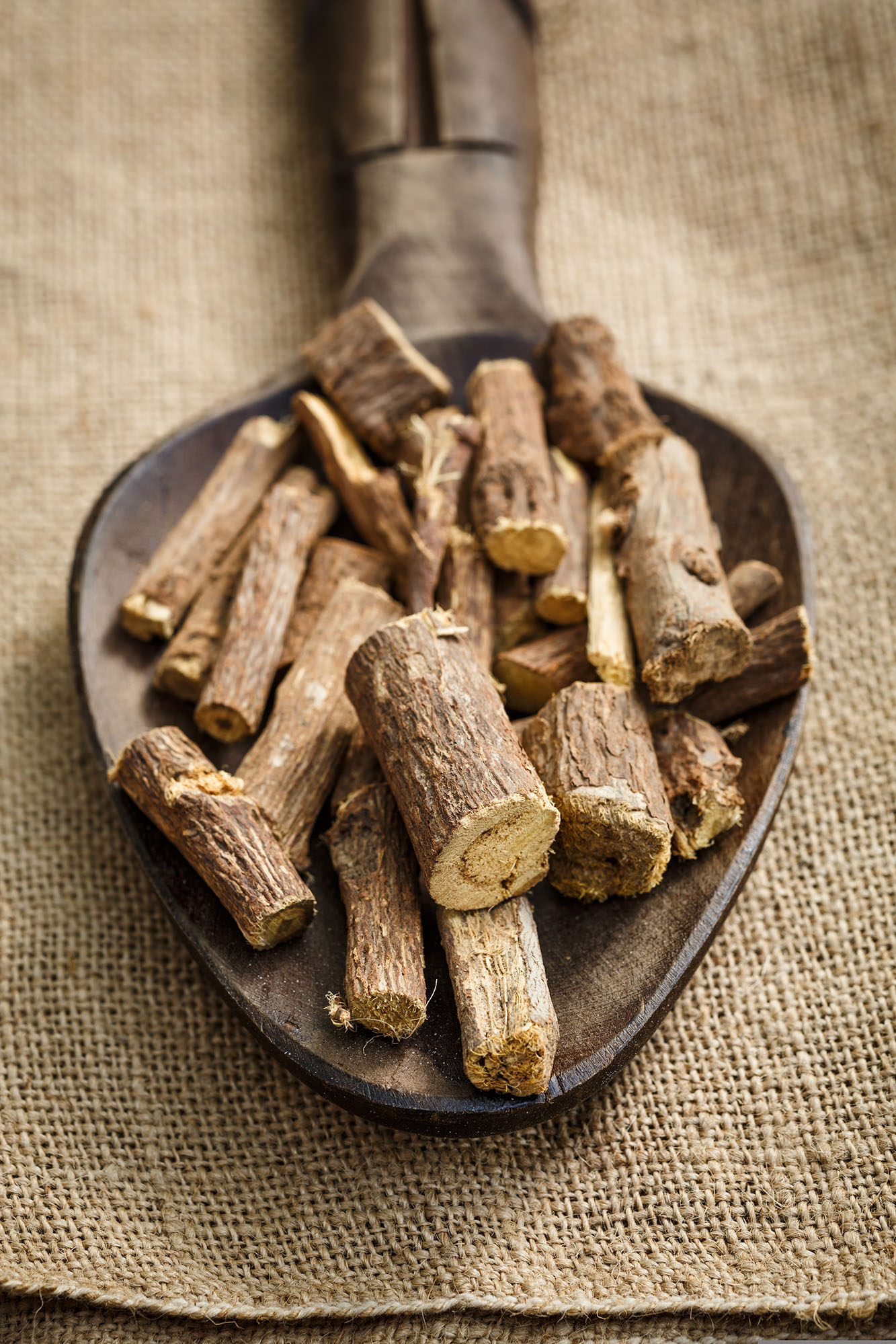
Licorice Root

Herbs have been found in gravesites dating back to the Paleolithic era. With the advent of agriculture, herbs were grown purposefully for medicinal use. Texts demonstrating therapeutic knowledge of herbs date back as far as 2,000 B.C. Two of the most popular herbal traditions in use today are Chinese and Western herbal medicine.

Chinese herbal formulas typically contain plant materials, but may also include mineral and animal products. Classical formulas are designed following TCM (Traditional Chinese Medicine) concepts and are most effective when prescribed that way to address underlying patterns of disease. Chinese herbs may be used to treat a wide variety of issues including physical and psychological ailments, and are compatible with most other medications because they are very well balanced.

Western herbal formulas are plant-based combinations of ingredients chosen for their known pharmacological effects. Some herbs like goldenseal have antimicrobial properties. Other herbs like turmeric have anti-inflammatory effects. And others like garlic boost the immune system. Like TCM, WHM (Western Herbal Medicine) can be used for a wide variety of ailments, but are prescribed for specific diagnoses rather than underlying patterns of disease.

Nutraceuticals are another common approach to treatment. The term Nutraceutical is a combination of "nutrition" and "pharmaceutical". Initially coined in the 1980s referring to compounds that were neither nutrients nor pharmaceuticals, it has no single official definition. One of the more narrow definitions includes any non-toxic food component that has scientifically proven health benefits, including disease treatment or prevention. Looser definitions include any purified or extracted substance given orally to improve general health and well-being. Commonly used nutraceuticals include vitamins, minerals, amino acids and their derivatives (e.g. SAMe, glutamine), herbs, concentrated greens (e.g. barley, algae), colostrum, glycosaminoglycans (e.g. hyaluronic acid, glucosamine), probiotics, glandulars (processed animal tissues), and fatty acids. Many such ingredients have proven themselves in multiple studies (e.g. the benefits of omega-3 fatty acids in cases of heart disease). In veterinary care, the term Nutraceutical is often reserved for supplements used to assist in treating specific disease processes, while products used for general well-being are simply referred to as Nutritional Supplements or Functional Foods.

How Are Herbs Given?

- Formulations include powders, liquids, tablets, and capsules.
- Tablets/capsules can be hidden in a pill pocket, or crushed/opened and mixed in food.
- Powders are the most cost-effective; just mix into the normal meal, perhaps with a topper for added flavor.
- There's also the Herbal Taquito: Dissolve the powder in warm water, mix with just enough canned food to make a paste, roll that up in a slice of lunch meat, and Voila!

What's the Duration of Treatment?

- That depends on the condition and chronicity of the ailment.
- Some patients respond within a few days and only need a few weeks.
- Others, particularly older patients with chronic diseases, require a few weeks to show benefit and require lifelong support.
- A general rule of thumb is to begin with the therapeutic dose, and taper back as improvement allows.

Are Herbs and Nutraceuticals Available Online?

- Yes! Most are available and cheaper online...but not all.
- Online purchases always come with some degree of risk, as transport and storage are not always optimum.
- Herbs and Nutraceuticals can be ordered for you by THVC, and delivered at the next visit.

Herbs and Nutraceuticals are available for just about any ailment, and a well chosen formula is generally compatible with conventional drugs!

"In every walk with nature one receives far more than he seeks."

John Muir

Homeopathy with Teton Holistic Veterinary Care

The Most Subtle of Supplements

Teton Holistic Veterinary Care Homeopathy Description

Homeopathic Remedy

Homeo (similar) pathy (suffering) is the use of potentized ingredients (serially diluted with vigorous agitation between dilution steps) to heal symptoms similar to those caused by the same ingredient when taken in its un-potentized form. For example, too much sodium chloride (salt) can be toxic but the homeopathic version (Natrum Muriaticum) can help heal those with a similar presentation. Homeopathy tends to be a very gentle modality, causing gradual and deep organic change. It can be used for any constellation of symptoms matched to the corresponding potentized remedy.

Homeopathy is often confused with herbal medicine (and is actually derived from it), but is quite different in form and function. It began with the experiments of a German physician, Samuel Hahnemann (1755-1843), who noticed that Cinchona (Peruvian Bark) which was used to treat malaria at the time, caused symptoms similar to malaria if taken in excess by a healthy person. Tests with other substances showed the same tendency, leading to the idea that a substance taken in small doses by an ill person tends to alleviate symptoms similar to what it can cause if taken in large doses by a healthy person. Hence the phrase “like cures like” and the term "simillimum" to describe the matching substance.

Further experiments with different dosages led to the potentized remedy - a serially diluted liquid form that is vigorously shaken between each dilution step. (For example, Pulsatilla 30C begins with a mother tincture of Pulsatilla herb which is then diluted 1:100 in water/alcohol thirty times, with shaking after each dilution. 12X would mean it has been diluted 1:10 twelve times.) Creating cavitation in the liquid was thought to bring out the energetic qualities of the substance, as serial dilution without shaking did not produce effective remedies.

Some of these preparations are so dilute as to theoretically no longer contain any of the original molecules (having a total dilution factor greater than Avogadro's number). It is the bioelectromagnetic qualities of the preparation that are thought to be acting on the patient. For this reason, *properly selected* homeopathic remedies - even those prepared from poisonous plants and toxic minerals - are generally safe.

The potentized remedy is not readily analyzed in a laboratory setting, but clinical trials that allow proper remedy selection (i.e. the remedy is chosen for that particular individual rather than the same remedy for every subject) have shown positive results. And the fact that it is possible to make a patient worse with a poorly selected remedy would tend to indicate there is indeed something at work. Changing to the right remedy generally brings about notable improvement.

How are Homeopathic Remedies Chosen?

- The entirety of the patient's symptoms are matched to the symptom profile of the remedy.
- The same remedy cannot be used for all patients with the same conventional medical diagnosis.
- The right potency is then chosen, the higher the potency the stronger the effect.

What Dosage Forms are Available?

- Homeopathics are generally sold as small sucrose/lactose pellets embedded with the potentized liquid.
- Pellets can be given straight by mouth, or crushed and dissolved in water.
- Hard-core homeopaths state the remedy cannot be given with food, but for most patients it's been just as effective (and sometimes plumb necessary).

How Long is the Remedy Given?

- Remedy timing and duration is just as individualized as remedy selection.
- Patient age and chronicity of disease require different dosing schedules.
- A good rule of thumb is to taper off the remedy as the patient improves.

Homeopathy is an extremely gentle healing method, and is the most easily tolerated by finicky patients!

Call THVC now to schedule a consultation!
(971) 275-5517